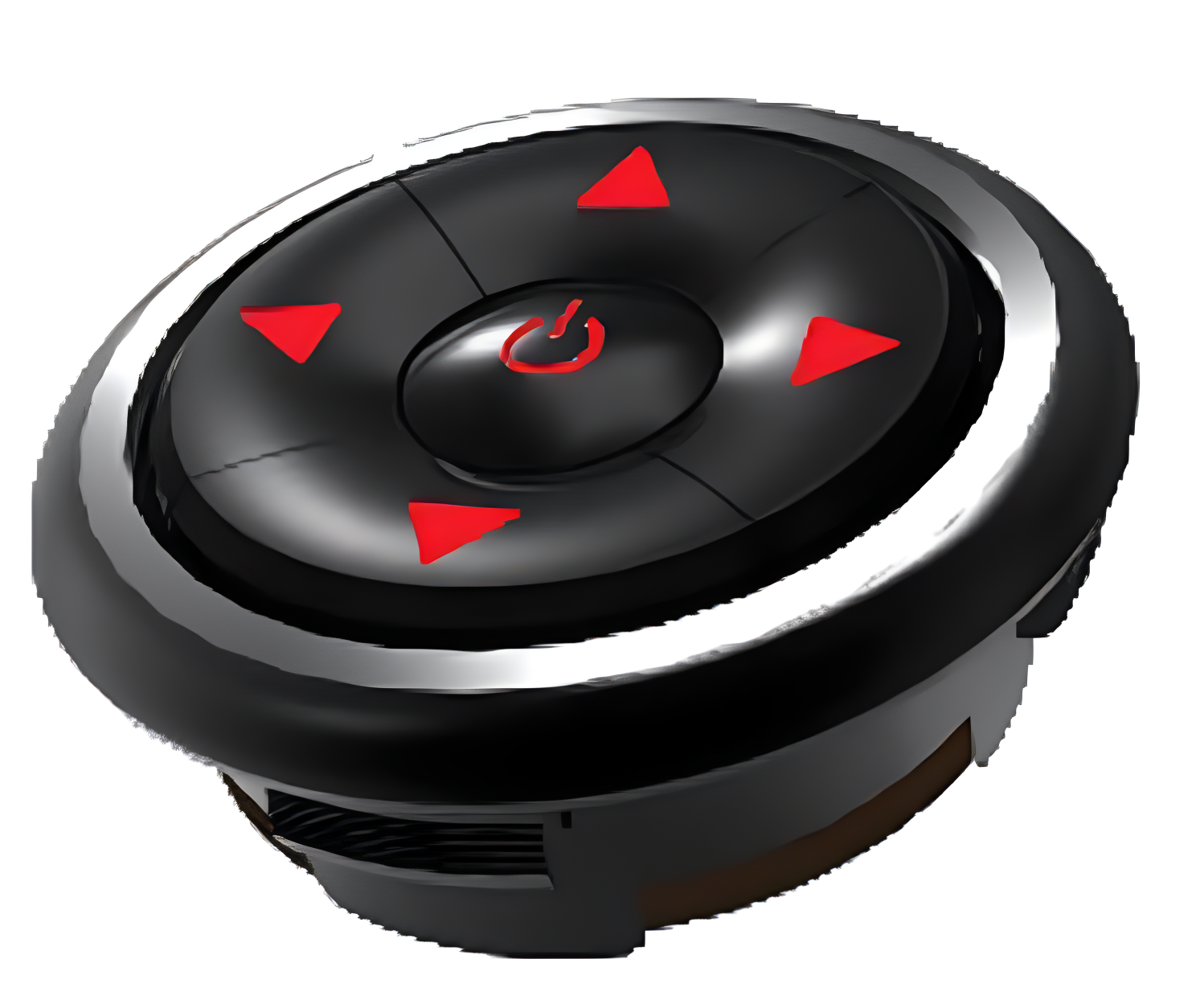
产品图纸(PDF):KSD-5-D002 series 下载
五向带灯开关规范开关规格杆-位置:瞬时动作,SPST触点额定值:24VDC,50mA接触电阻:50m0MAX.1.5VDC;100mA,通过电压降法绝缘电阻:不允许100 MQ最小500 V直流击穿;介电强度:500 V AC,持续1分钟操作力:300±100 gf使用寿命:1500000次循环工作温度范围:-40°C~85°C总行程:1.0±0.3毫米多功能五向开关多功能五向开关是一种特殊类型的旋钮开关,它提供五种不同的功能或设置。它通常用于控制音频设备、仪器或其他电子设备中的各种功能。结构多功能五向开关通常由以下部件组成:**开关本体:**容纳所有部件并提供保护。**触点:**当旋钮旋转到特定位置时,它们会接触并闭合电路。**旋钮:**用于手动操作开关,通常带有五个位置的标记。**电阻器或电位器:**可能包括用于调节电路或提供可变电阻的电阻器或电位器。功能多功能五向开关通常具有以下五个功能:**位置 1:**功能 A**位置 2:**功能 B**位置 3:**功能 C**位置 4:**功能 D**位置 5:**功能 E具体功能根据开关的特定应用而异。例如,在音频设备中,它可能提供不同的音源选择、均衡器预设或效果。应用多功能五向开关主要用于以下应用:音响设备中的音源选择、音调控制和效果选择吉他和其他乐器中的拾音器选择仪器和测试设备中的功能选择照明系统中的情景模式控制优点**多功能性:**提供五种不同的功能或设置。**易于使用:**旋钮易于旋转和选择所需功能。**紧凑尺寸:**相对于其他类型的开关,尺寸相对紧凑。旋钮开关旋钮开关是一种电气开关,通过旋转旋钮来操作。它通常用于控制各种电气设备和系统中的功能或设置。结构旋钮开关通常由以下部件组成:**开关本体:**容纳所有部件并提供保护。**触点:**当旋钮旋转到特定位置时,它们会接触并闭合电路。**旋钮:**用于手动操作开关,通常带有刻度或标记以指示不同位置。**电阻器或电位器:**用于调节电路或提供可变电阻。类型旋钮开关有多种类型,包括:**单刀单掷 (SPST):**最简单的类型,只有一个输入和一个输出触点。**单刀双掷 (SPDT):**有两个输出触点,当旋钮旋转时,它们在输入触点和两个输出触点之间切换。**双刀双掷 (DPDT):**有两个输入和两个输出触点,当旋钮旋转时,它们在两个输入触点和两个输出触点之间切换。**电位器旋钮开关:**除了开关功能外,还提供可变电阻,用于调节电路。应用旋钮开关主要用于以下应用:音响设备中的音量和音调控制仪器和测试设备中的功能选择电力工具中的速度控制照明系统中的调光控制优点**易于使用:**旋钮易于旋转和操作。**直观控制:**旋钮上的刻度或标记提供清晰的视觉指示。**紧凑尺寸:**相对于其他类型的开关,尺寸相对紧凑。**多功能:**可用于多种应用,包括开关、电位器和功能选择。缺点**较慢的切换速度:**与其他类型的开关相比,旋转旋钮需要更多时间来切换。**可能产生噪声:**在切换时可能会产生轻微噪声。**受环境影响:**极端温度或湿气可能会影响其操作。选择选择旋钮开关时,应考虑以下因素:所需的触点配置 (SPST、SPDT、DPDT)电流和电压额定值可变电阻(如果需要)环境条件Multi functional navigation switch
Switch specifications
Rod - Position: 1 rod, 2 positions~8 positions (without stopper) availableContact rating: 0.5A 24V DC; 0.2A 48V DCContact resistance: maximum 20V DC; 100mA, using voltage drop methodInsulation resistance: minimum 100m Ω, 500V DCDielectric strength: No breakdown allowed; 500V AC for 1 minuteOperating force: 400 ± 250 gf.cm or 230 ± 100 gf.cmService life: 2000 cyclesWorking temperature range: -40 ° C~85 ° CBrand: Coaster Switch KSDKG/KOSOD SWITCH/KESIDAKnob switchA rotary switch is an electrical switch that is operated by rotating a knob. It is commonly used to control functions or settings in various electrical equipment and systems.structureRotary switches typically consist of the following components:**Switch body: * * accommodates all components and provides protection.**Contact point: When the knob is rotated to a specific position, they will make contact and close the circuit.**Knob: * * Used for manually operating switches, usually with scales or markings to indicate different positions.**Resistors or potentiometers: * * Used to adjust circuits or provide variable resistance.typeThere are various types of rotary switches, including:**Single pole single throw (SPST): * * The simplest type, with only one input and one output contact.**Single pole double throw (SPDT): * * There are two output contacts that switch between the input contact and the two output contacts when the knob is rotated.**Double Knife Double Throw (DPDT): * * has two input and two output contacts, which switch between the two input and output contacts when the knob is rotated.**Potentiometer knob switch: In addition to its switch function, it also provides variable resistors for adjusting circuits.applicationRotary switches are mainly used for the following applications:Volume and tone control in audio equipmentFunction selection in instruments and testing equipmentSpeed control in power toolsDimming control in lighting systemsadvantage**Easy to use: The knob is easy to rotate and operate.**Intuitive control: The scale or mark on the knob provides clear visual indication.**Compact size: * * Compared to other types of switches, the size is relatively compact.**Multifunctional: * * Can be used for various applications, including switches, potentiometers, and function selection.shortcoming**Slow switching speed: Compared to other types of switches, rotating the knob takes more time to switch.**Possible noise generation: * * Slight noise may occur during switching.**Affected by the environment: * * Extreme temperature or humidity may affect its operation.choiceWhen selecting a rotary switch, the following factors should be considered:Required contact configuration (SPST, SPDT, DPDT)Rated values of current and voltageVariable resistor (if needed)environment condition